Visual communication aid: Ring chromosomes
This communication aid has been produced to complement discussions about ring chromosomes during consultations with patients.
View and download communication aid(s)
There is one communication aid available to view and download (.pdf):
Double-sided printing in colour is recommended (but not required). All content is also included below in an accessible format.
More information about these and other VCAs is available in this article.
Chromosomes explained
We all have over 20,000 genes, which provide instructions for how our body works. Our genes are packaged into structures called chromosomes.
People usually have 23 pairs of chromosomes: 22 pairs of autosomes and one pair of sex chromosomes (XX or XY). One chromosome from each of each pair is inherited from each parent. Our sex chromosomes are called X or Y, and usually determine sex assigned at birth.
You can learn more about the basics of our genome in this VCA: Genes, chromosomes and DNA.
What is a ring chromosome?
A ring chromosome happens when the ends of one chromosome join together to form a ring shape. Usually, both ends of the chromosome break off and are lost before the tips fuse together. These lost areas contain the protective chromosome ends, called telomeres, and may contain important genes.
Formation of a ring chromosome can result in loss of genes and problems with cell division. The effect on a person’s health depends on which chromosome is affected and how much genetic information is lost.
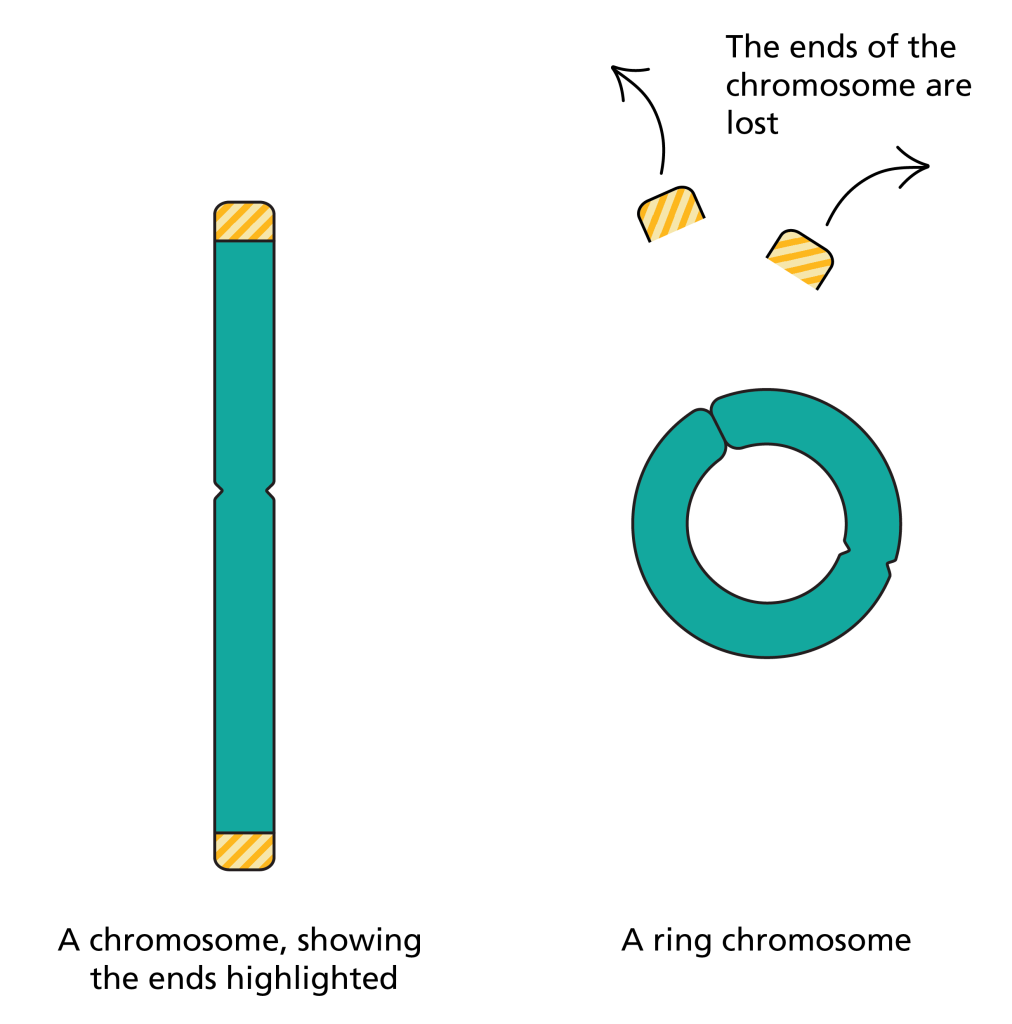
Figure 1: Example of how a ring chromosome is formed
(View larger size)
Key terms
- Genome: The complete set of genetic information found inside a cell.
- Chromosome: Packages of DNA that are found in our cells.
- Autosome: A chromosome that is not a sex chromosome (named 1–22).
- Sex chromosome: A chromosome containing genes that determine the sex a person is born as (named X or Y).
- Telomere: The protective cap at the ends of a chromosome that keeps the DNA stable and prevents damage.
Resources
For patients
- Unique: Ring 15