Visual communication aid: Preimplantation genetic testing (PGT)
This communication aid has been produced to complement discussions about preimplantation genetic testing (PGT-M and PGT-SR) during consultations with patients.
View and download communication aid(s)
There is one communication aid available to view and download (.pdf):
Double-sided printing in colour is recommended (but not required). All content is also included below in an accessible format.
More information about these and other VCAs is available in this article.
What is preimplantation genetic testing?
Preimplantation genetic testing (PGT), is a type of fertility treatment that may be an option for people who have a personal or family history of a genetic condition. There are different types of PGT. This information is most relevant for PGT-M and PGT-SR (see ‘Key phrases’).
PGT involves testing embryos, created through in vitro fertilisation (IVF), to find out which ones have inherited a specific genetic change or changes that are known to cause a genetic condition. Only unaffected embryos are then used to try to start a pregnancy. For PGT-M or PGT-SR to be possible, the genetic change(s) that causes the condition in the family must be known.
When can testing be offered?
The process for PGT is as follows:
- Eggs and sperm are combined in the lab to create embryos.
- Embryos grow for 5–7 days.
- A few cells are taken from each embryo – these cells contain the genetic material (DNA).
- Embryos are then frozen.
- DNA from each embryo is tested. The testing process depends on the type of genetic change and DNA samples may also be needed from the parents or other family members.
- Results show which embryos have inherited the genetic change(s) and which have not.
- One unaffected embryo is transferred to the womb to try to start a pregnancy.
In the UK, a condition must have a PGT licence from the Human Fertilisation and Embryology Authority (HFEA) before testing can be offered.
There are also eligibility criteria for NHS-funded PGT. Referrals for PGT must be made by an NHS clinical genetics service.
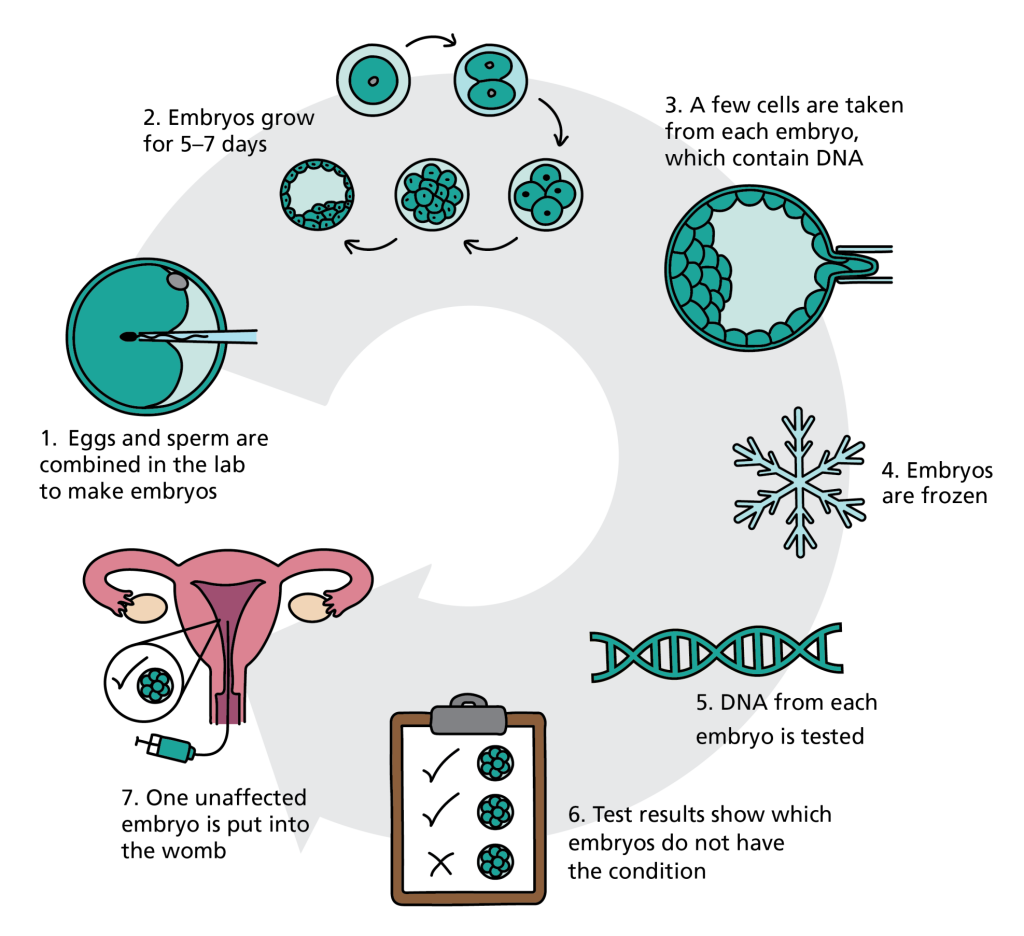
Figure 1: Diagram showing the steps of PGT
(View larger size)
Key terms
- PGT-M (monogenic): Testing for a change(s) in a single gene that causes a specific condition.
- PGT-SR (structural rearrangement): Testing for chromosome changes, such as translocations.
Resources
For patients
- Human Fertilisation and Embryology Authority (HFEA): Pre-implantation genetic testing for monogenic disorders (PGT-M) and Pre-implantation genetic testing for chromosomal structural rearrangements (PGT-SR)
- NHS Guy’s and St Thomas’ NHS Foundation Trust: Pre-implantation genetic testing (PGT-M/SR)